Respiratory Health Outcomes in Neonates (RHiNO)

Understanding lung health after preterm birth

RHiNO is a research programme investigating why some children born preterm develop breathing problems, how their lungs change as they grow, and how prematurity-associated lung disease can be recognised, treated and followed through later life.

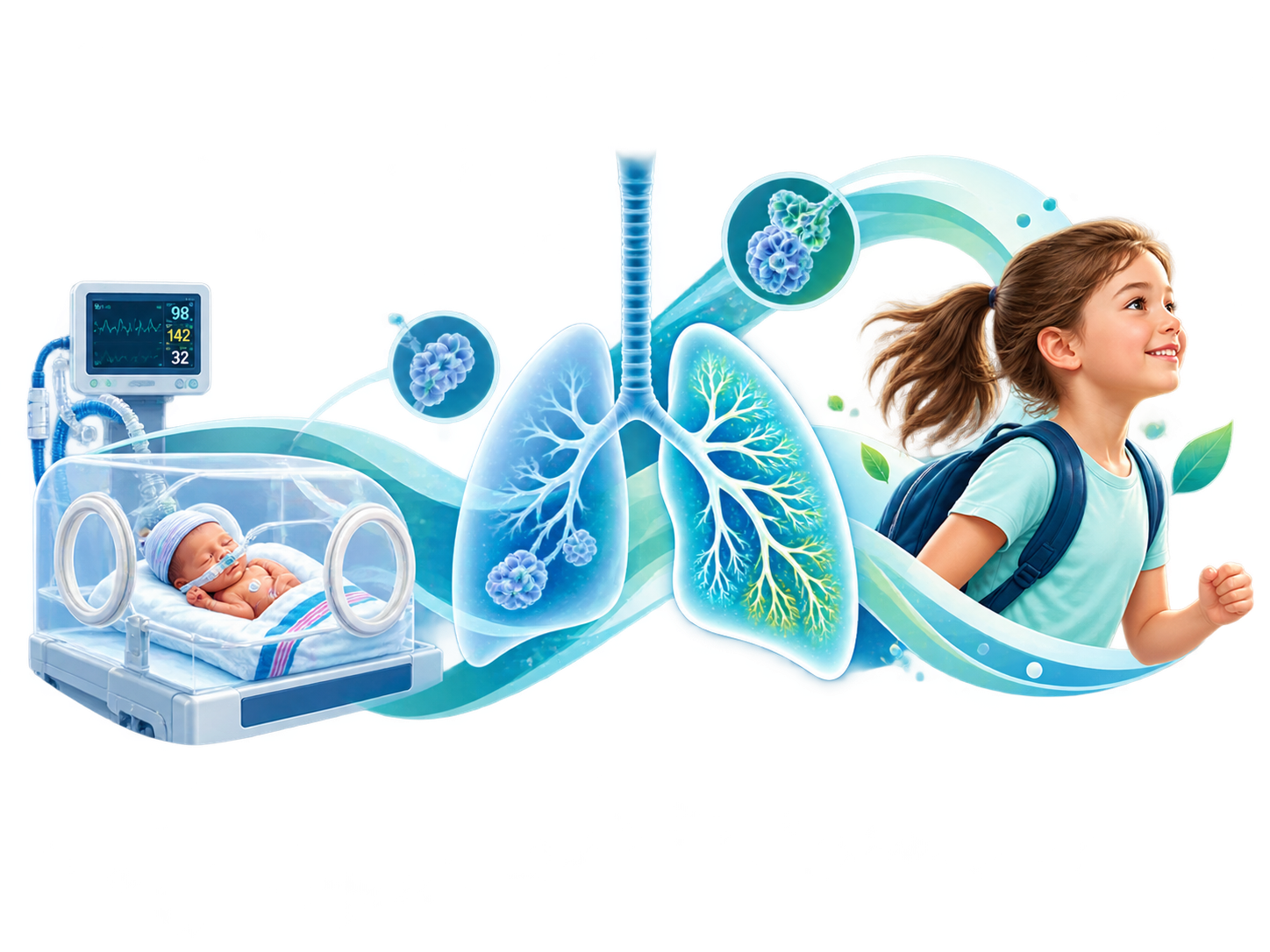
Illustration showing the journey from a premature baby in neonatal care to childhood lung health and growth.
767children studied
565born preterm
202term-born comparison participants
65advanced lung MRI assessments
Recruitment has finished. Discovery continues.

The original RHiNO study has become a long-term respiratory research programme

The original RHiNO study recruited and assessed children between 2016 and 2019. From 1,122 returned questionnaires, 767 children underwent RHiNO assessments: 565 born preterm and 202 term-born controls, aged 7–12 years. A subgroup underwent advanced lung MRI, and children with reduced lung function participated in detailed physiological studies and a randomised inhaler trial.

What has RHiNO discovered?

Preterm birth can affect the lungs long after infancy

RHiNO and the research that preceded it have shown that respiratory consequences of preterm birth can persist through childhood and potentially across the life course. The programme has progressed from describing respiratory symptoms and reduced lung function to understanding distinct physiological patterns, mechanisms and treatment responses.

Looking beyond BPD

Prematurity-associated lung disease

A neonatal diagnosis of bronchopulmonary dysplasia is important, but it does not fully describe respiratory disease later in life. RHiNO research helped develop the concept of prematurity-associated lung disease (PLD) as a broader framework for respiratory impairment after preterm birth.

Explore PLD →
Different forms of PLD

Distinct physiological phenotypes

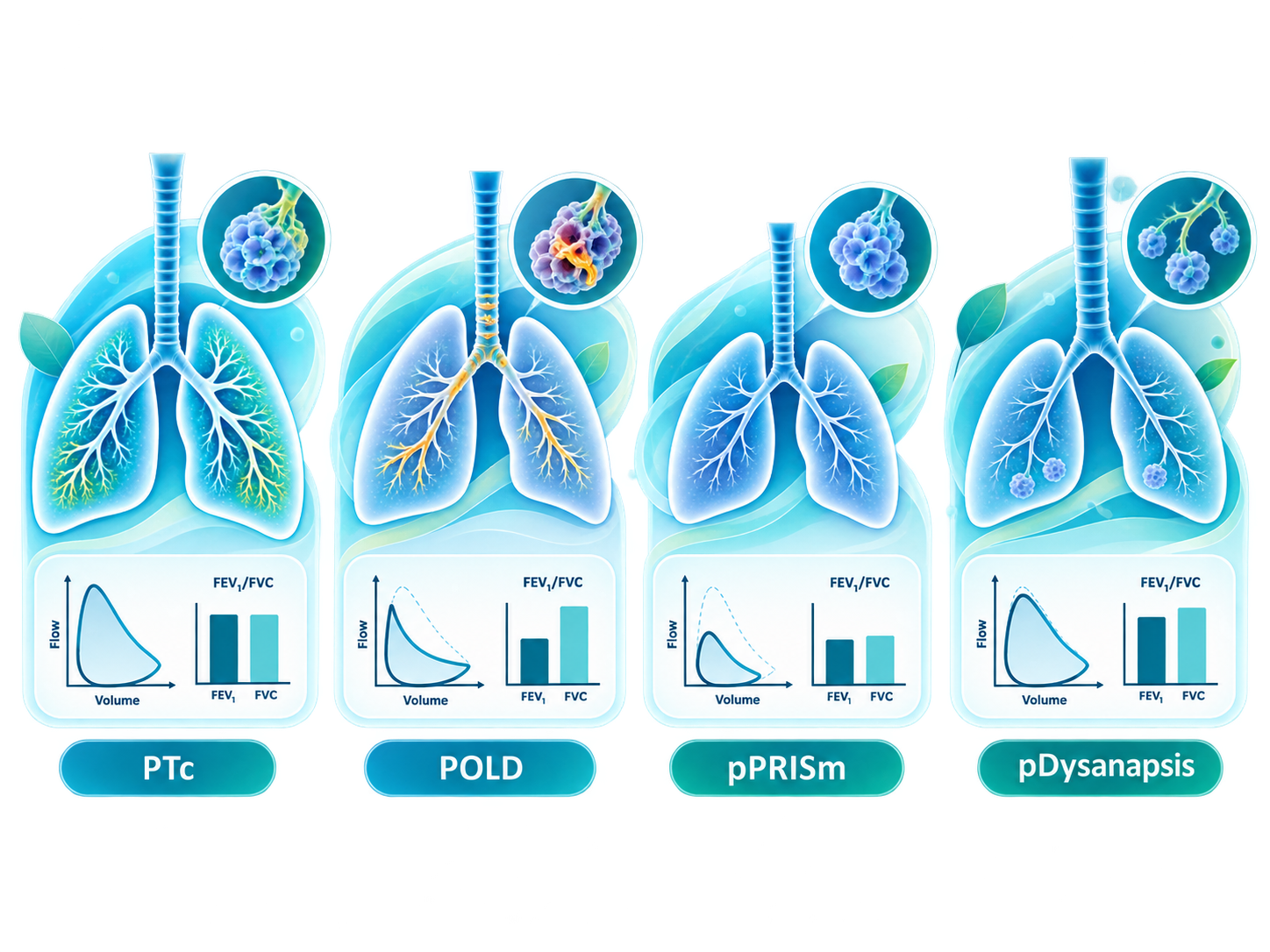
RHiNO has helped characterise POLD, pPRISm and pDysanapsis. These patterns can be identified using routine spirometry and provide a basis for studying differences in mechanisms, prognosis and treatment.

Explore PLD & phenotypes →
Treatable disease

Some lung-function impairment can improve

The RHiNO randomised clinical trial showed that combined inhaled corticosteroid/long-acting β2-agonist treatment produced a clinically important improvement in lung function in selected preterm-born children with reduced lung function.

Read about RHiNO discoveries →
Illustrated overview of prematurity-associated lung disease phenotypes: PTc, POLD, pPRISm and pDysanapsis.
PLD phenotypes. RHiNO work has helped define physiologically distinct phenotypes, including PTc, POLD, pPRISm and pDysanapsis.
From phenotype to lifelong lung health

RHiNO is increasingly asking how respiratory disease evolves

The programme is no longer asking only whether lung function is abnormal. It is asking which physiological phenotype an individual has, why it developed, whether it changes with growth, and whether its trajectory can be modified.

Preterm birthInterrupted lung development
Growing lungsEarly-life and environmental influences
PLD phenotypeMeasurable physiological pattern
TrajectoryPersistence, recovery or transition
Adult lung healthLong-term respiratory risk
RHiNO discoveries

One cohort, multiple layers of respiratory biology

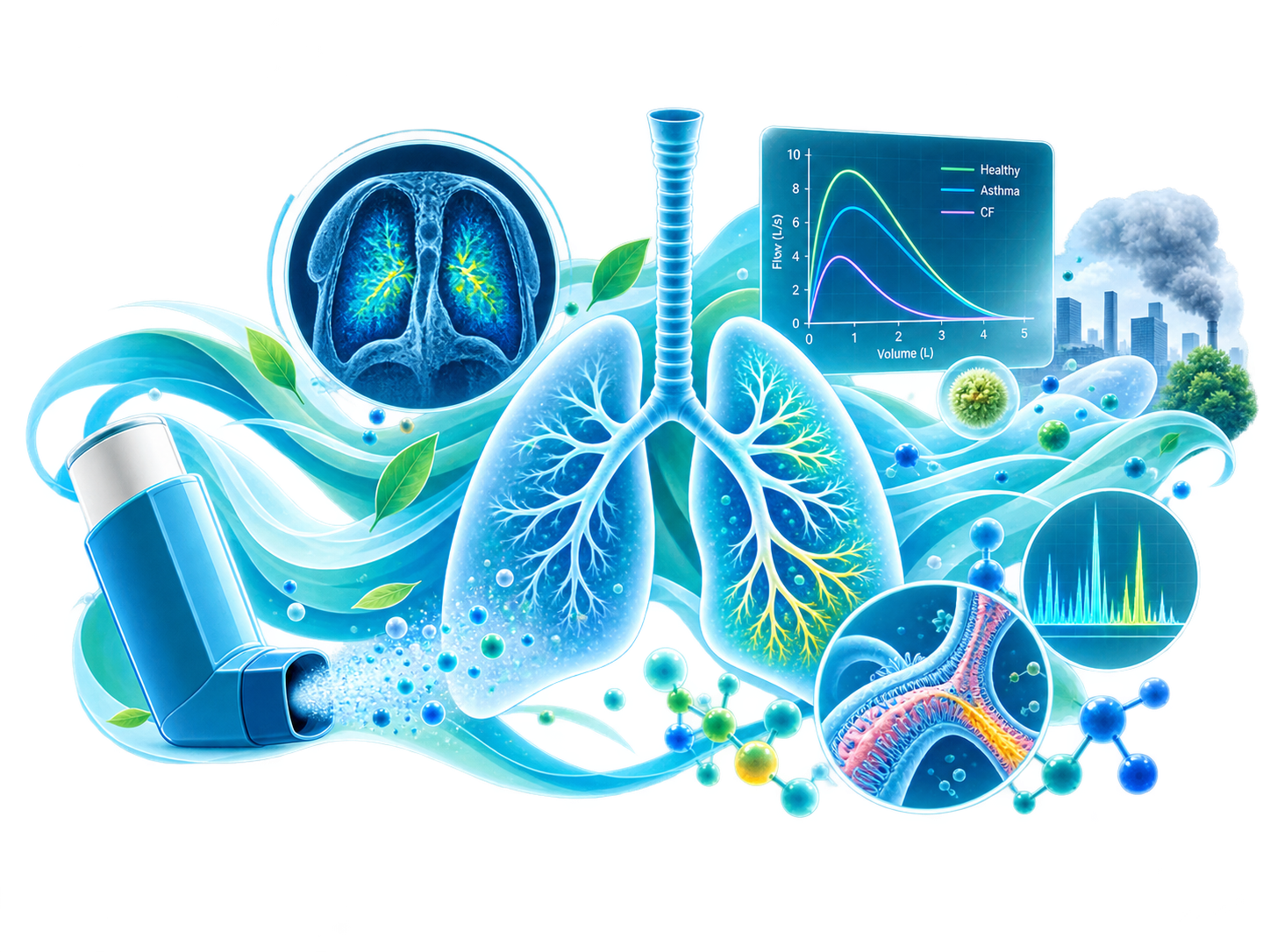
Collage showing pulmonary research themes including inhaled treatment, imaging, environment, spirometry and molecular biology.
Beyond spirometry alone. RHiNO integrates physiology, treatment, imaging, environment, and mechanistic biology to understand lung health after preterm birth.

PLD & phenotypes

Different patterns of abnormal lung function exist after preterm birth.

Treatment

Some airflow limitation is reversible and can respond to inhaled therapy.

Structure & mechanisms

MRI, respiratory mechanics and molecular studies reveal abnormalities beyond standard spirometry.

Environment & trajectories

Postnatal exposures and subsequent lung growth may influence lifelong respiratory outcomes.

Featured science

Prematurity-associated lung disease across the life course

In January 2026, The Lancet Respiratory Medicine published a three-paper Series addressing PLD and its phenotypes, lifelong lung-function trajectories, and management from infancy through adulthood.

PLD and its phenotypesDefining the physiological framework
Lifelong trajectoriesUnderstanding respiratory health over time
ManagementFrom infancy through adulthood
The RHiNO story

From population study to life-course respiratory science

2012Population studies

Large studies establish persistent respiratory effects of preterm birth.

2016RHiNO begins

Detailed childhood respiratory assessment starts.

2019Recruitment complete

Original study visits finish and analysis accelerates.

2022Treatment trial

RHiNO inhaler trial is published.

2023–25Deep phenotyping

PLD phenotypes, MRI, pollution, metabolomics and mechanistic work expand.

2026PLD Series

Phenotypes, trajectories and management are synthesised across the life course.

NowLongitudinal discovery

RHiNO studies how phenotypes and lung function evolve towards adulthood.

Illustration of a child performing spirometry with support from a parent and clinician.
Children and families

RHiNO was made possible by children and families

Every RHiNO discovery has depended on children and families giving their time for questionnaires, breathing tests, hospital assessments, exercise studies, treatment research and specialist imaging.

To all our participants and families: thank you.

Recruitment to the original RHiNO study is complete, but the information and samples contributed by participants continue to generate new knowledge.

Participants & families
Our preterm lung research programme

Following respiratory health from birth to later life

Birth • neonatal care

AZTEC

Azithromycin Therapy for Chronic Lung Disease of Prematurity

Visit AZTEC ↗
Discharge • infancy

BALLOON Trial

Preventing respiratory infections after discharge

Visit BALLOON ↗
Childhood • adolescence • beyond

RHiNO

Respiratory Health Outcomes in Neonates

Explore RHiNO →